
Nut Crackers
Shop nut crackers, nut pickers and shellers for black walnuts, pecans, hickory nuts and more at Red Hill General Store.
We've been selling nut crackers for over 30 years, and the tools on this page are the ones we keep coming back to. You'll find a heavy-duty walnut cracker tough enough for black walnuts, easy pecan crackers for the kitchen table, roller-style picker uppers that gather nuts from the yard without bending over, and the small tools that make shelling go faster. Scroll down to our Nut Knowledge Base for how to harvest, dry and crack black walnuts.
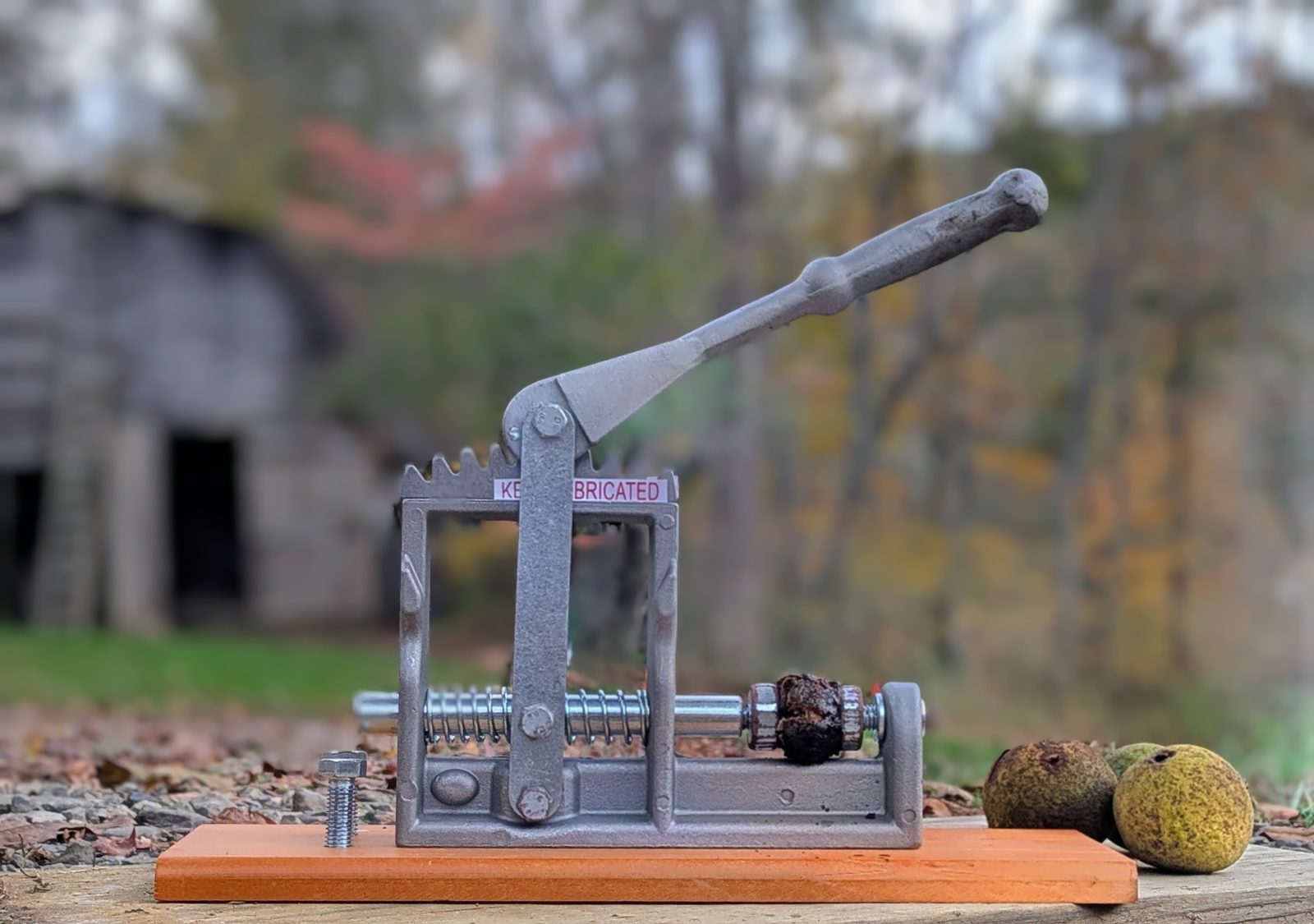
Heavy-Duty Black Walnut Cracker
Black walnuts are nature's version of Fort Knox. This cast aluminum walnut cracker on a hardwood base cracks them with one lever, along with hickory nuts, butternuts and pecans.
$58.99
Shop the Walnut CrackerWhich Nut Cracker Do I Need?
Nut Cracker Tools
Black Walnut Cracker
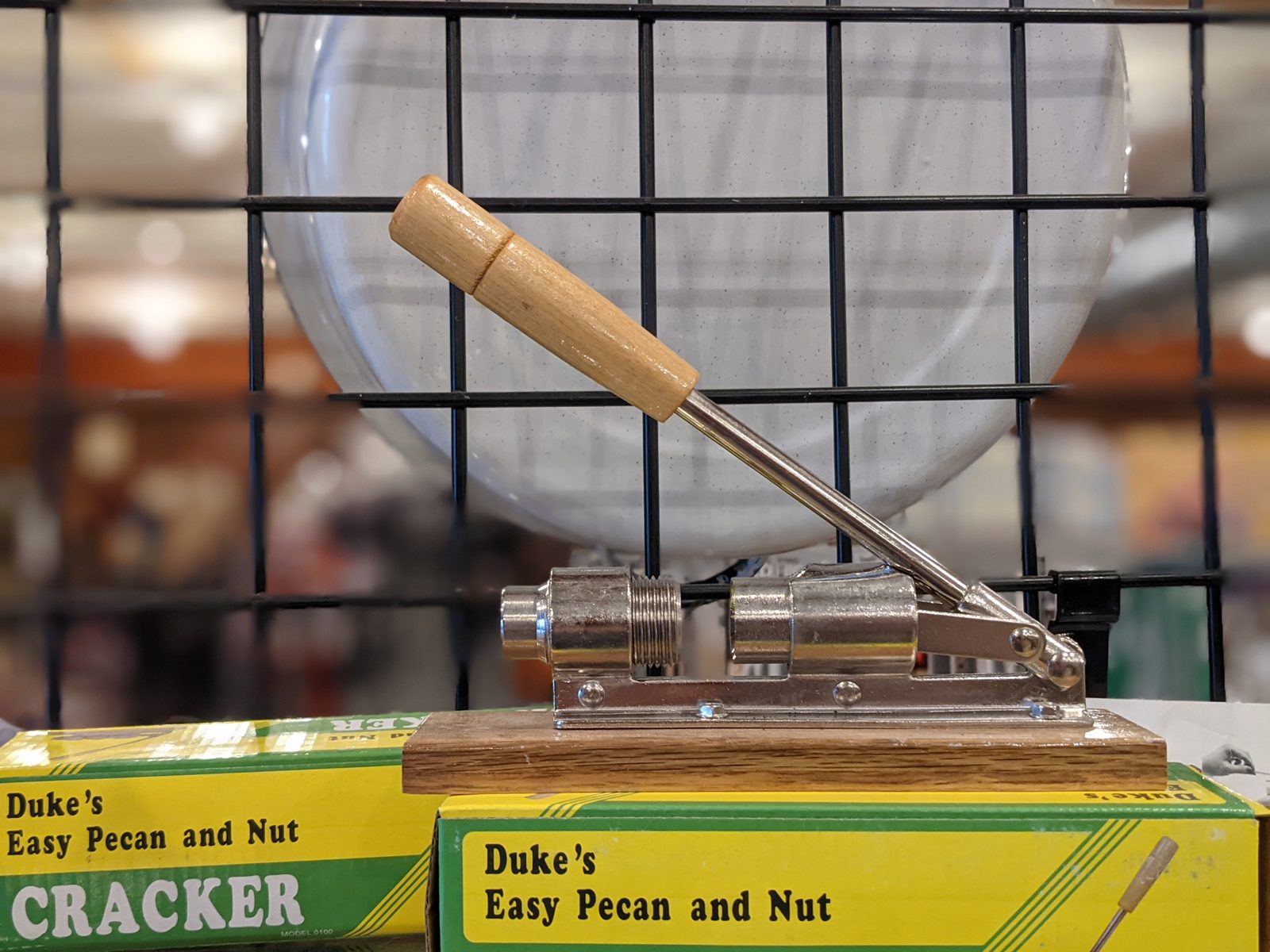 Pecan Nut Cracker
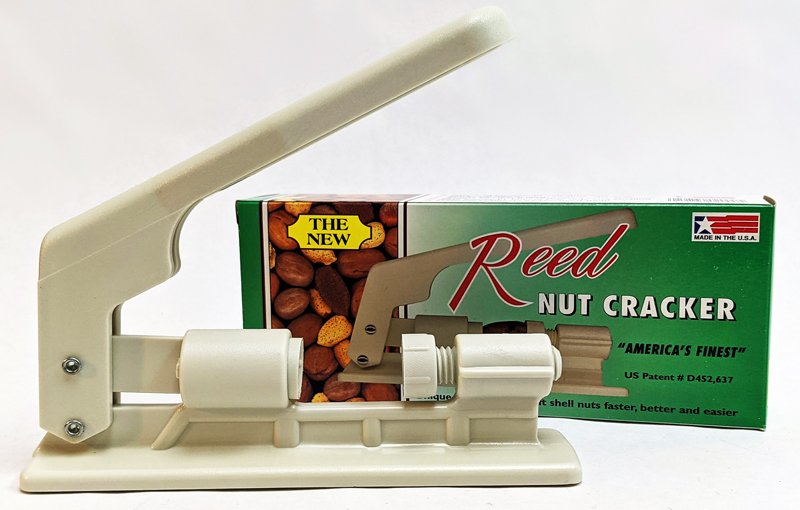 Reeds Model 2000 Nutcracker
 No Mess Nut Cracker
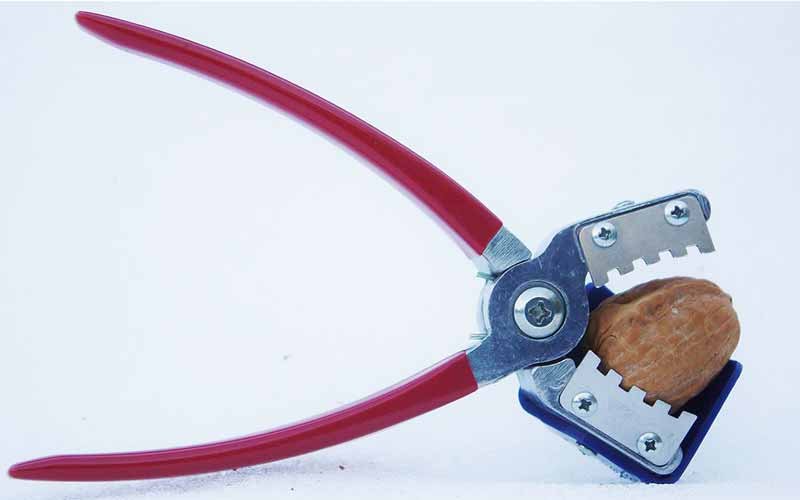 Texan Nut Sheller
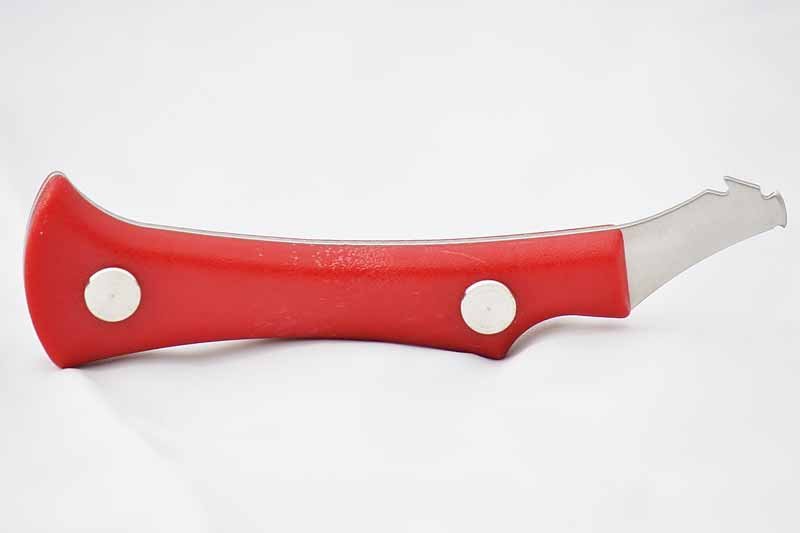 Pecan Peeler
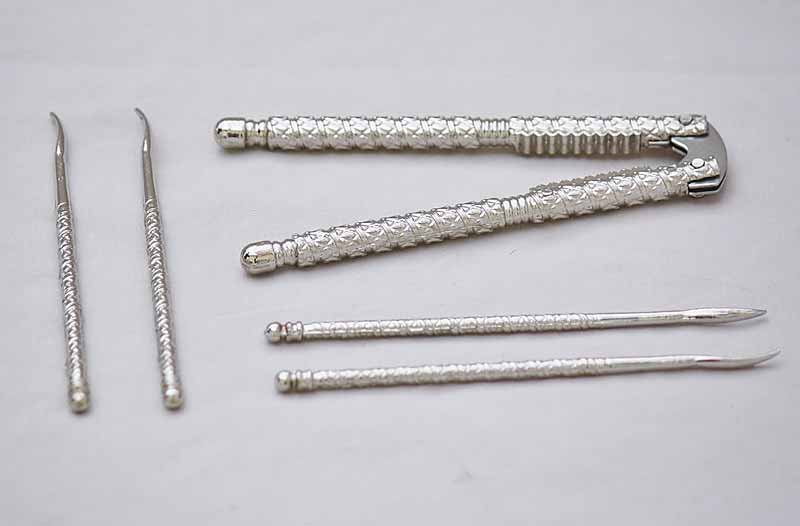 Lobster Cracker
Nut Rollers & Nut Picker Uppers
Nutcracker Replacement Parts
Nut Knowledge Base
Black Walnuts: From Tree to Table
The seven steps from tree to nutmeat, with roughly how long each one takes.
- 1
Mid-Sept – Oct
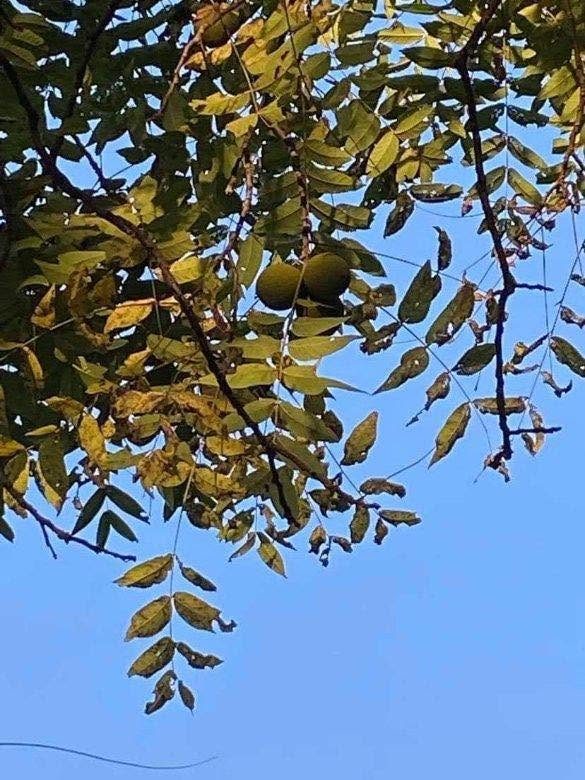
Watch the tree
Black walnuts ripen inside round green husks about the size of a tennis ball, and drop on their own when ready.
- 2
As they fall
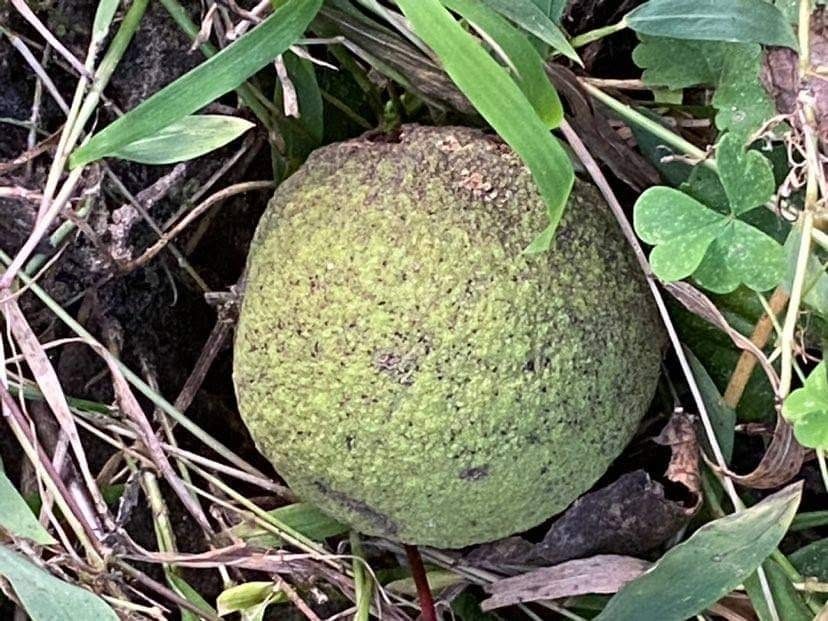
Gather
Pick them up off the ground before the squirrels do. A Walnut Picker Upper saves your back.
- 3
Days to 2 wks
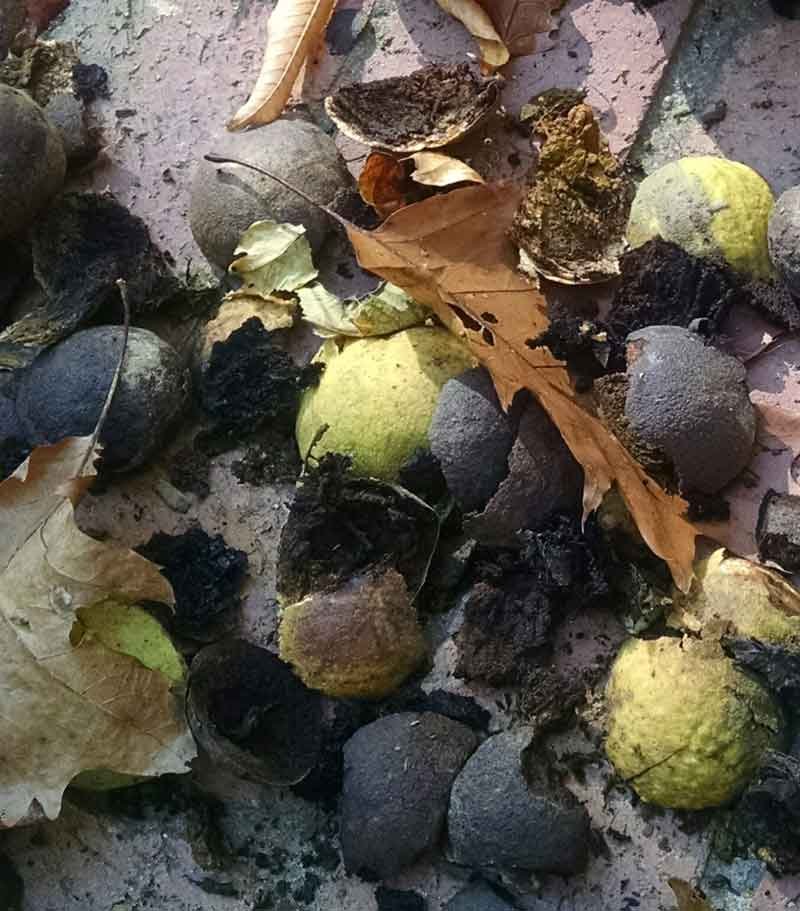
Wait for the husk to turn black
The green husk softens and darkens. That's your signal it's ready to come off.
- 4
Wear gloves
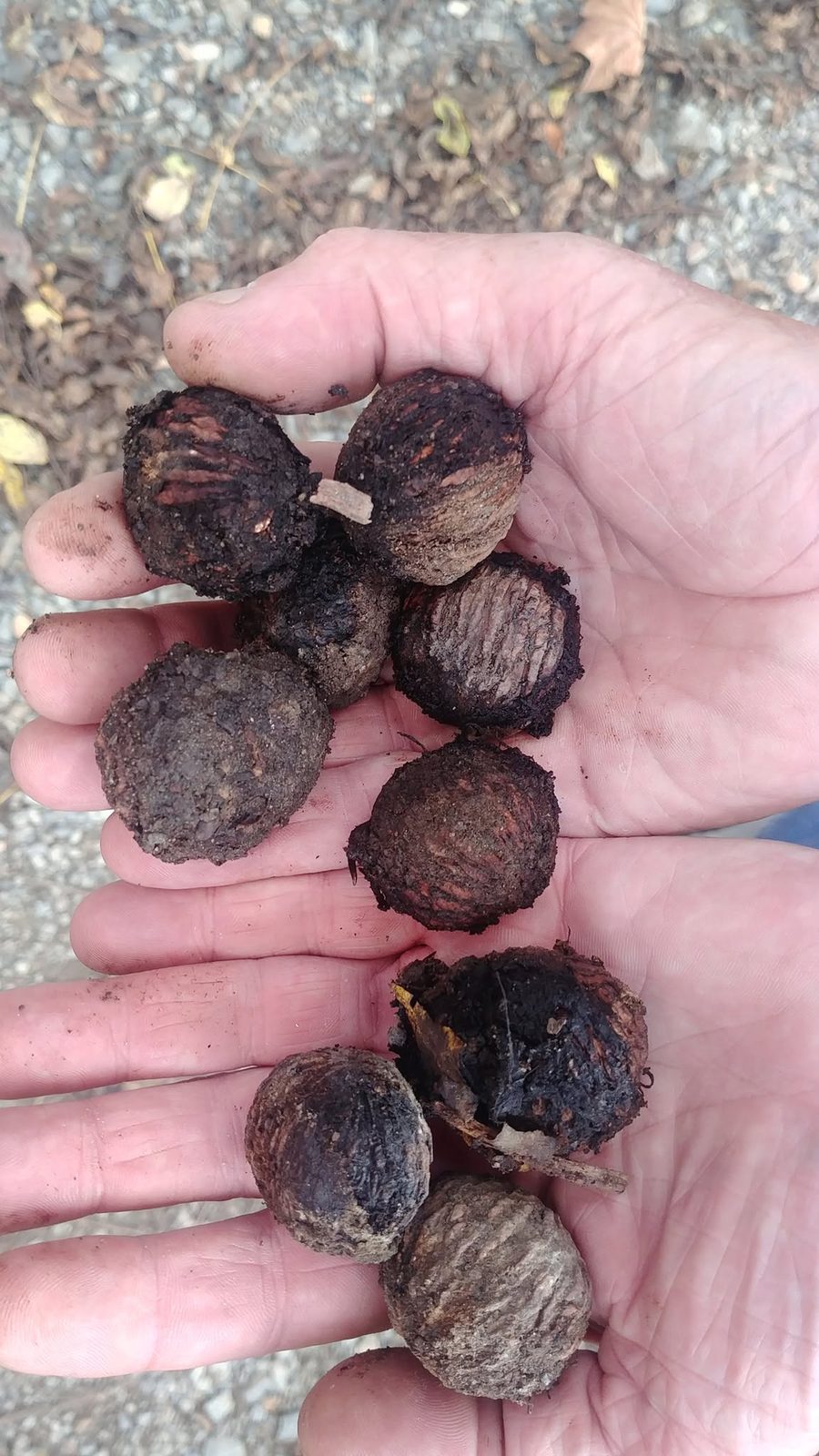
Remove the husk
Scrape it off (a rock works fine). The husk stains hands for days.
- 5
About a month
Let them dry
Spread them out somewhere airy. It takes about a month, longer if the weather is humid.
- 6
Any time after
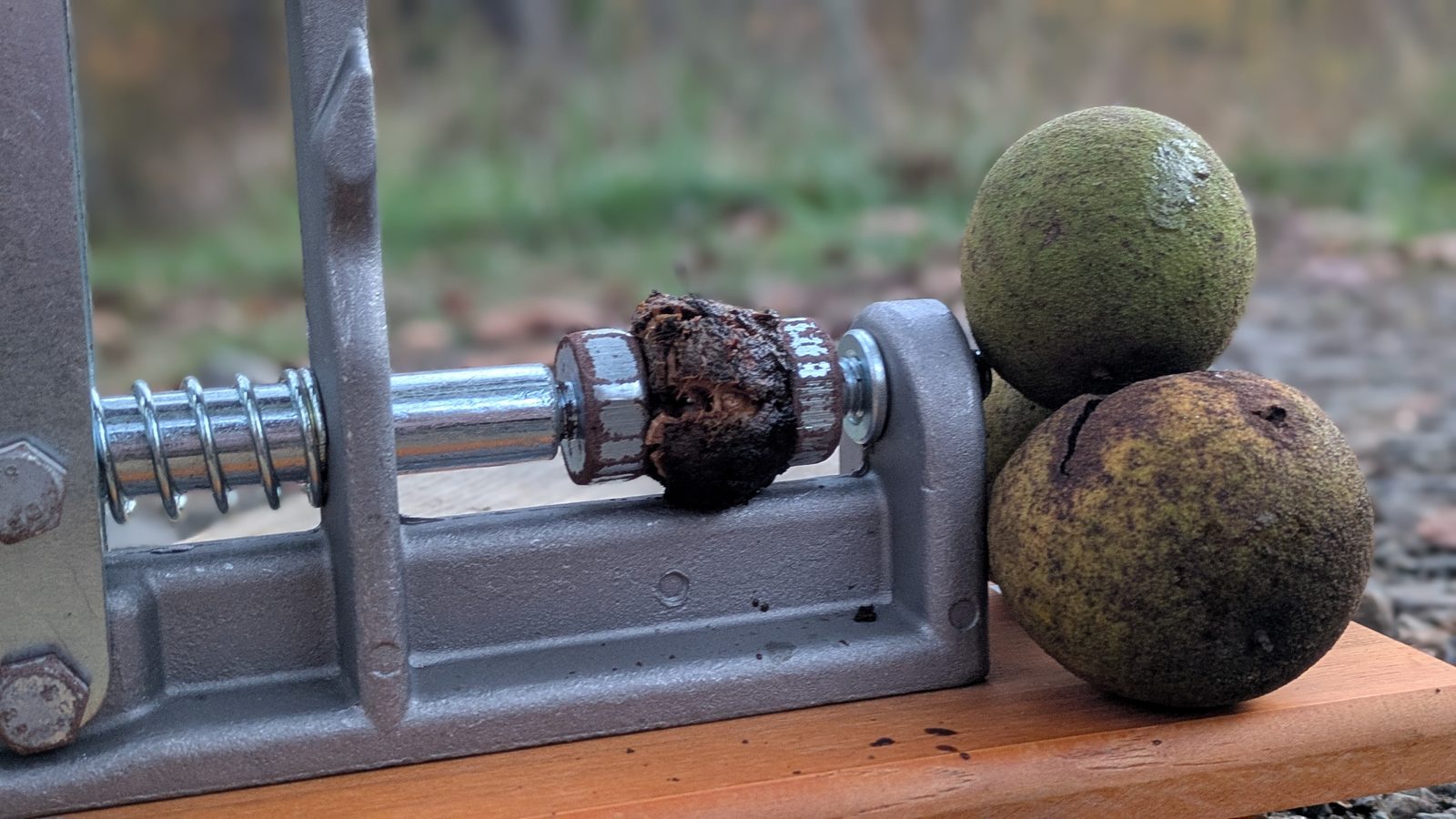
Crack
Set the nut in the Black Walnut Cracker and pull the lever. No sledgehammer needed.
- 7
Black Walnut Identification
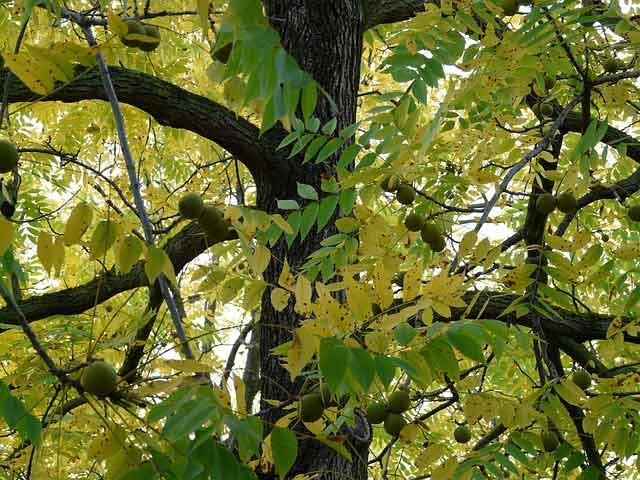
Black walnut trees grow wild across the eastern and central United States. Look for:
- Bark: dark, deeply furrowed, in a diamond-like pattern
- Leaves: long compound leaves with 15–23 narrow leaflets that turn yellow early in fall
- Nuts: round green husks about the size of a tennis ball, with a citrusy smell when crushed

Harvesting Black Walnuts
Black walnut season usually starts in mid-September and runs through October. The nuts are ready when they drop from the tree on their own and the husk gives a little when you press it with your thumb. Gather them quickly, because squirrels won't wait, and husks left on the ground too long can make the nutmeat bitter.
Save your back with a Walnut Picker Upper. Roll it over the nuts and they pop into the cage.
How to Shell (Hull) Black Walnuts
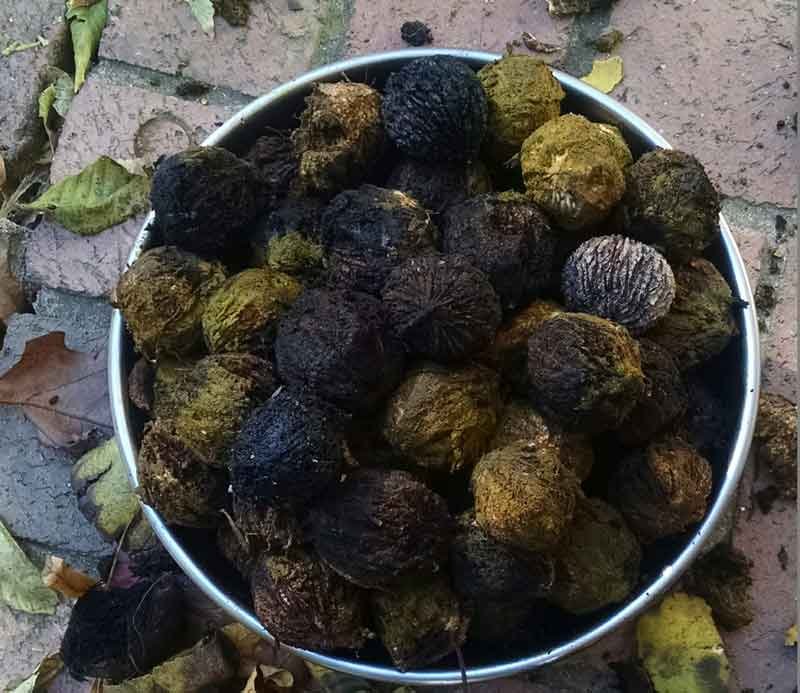
Wait until the green husk turns black and soft, then scrape it off. A rock, a stiff brush or rolling the nut under your boot all work. Wear gloves. Black walnut husk will stain your hands brown for days. Rinse the hulled nuts with a hose to get the last of the husk off.
How to Dry Walnuts
How long to dry black walnuts has started more fights between husbands and wives than anything else we sell. Everyone has an opinion. Here's what we do: once the husk is off, spread the nuts in a single layer somewhere airy and out of the sun, and let them dry for about a month. That depends on the humidity, so allow longer in damp weather.
Some folks swear by letting them dry with the hull on. Others say that just makes the outside go moldy. You'll know they're ready when the nutmeat snaps instead of bending. Dried in-shell black walnuts keep for up to a year in a cool, dry place.
How to Crack Black Walnuts
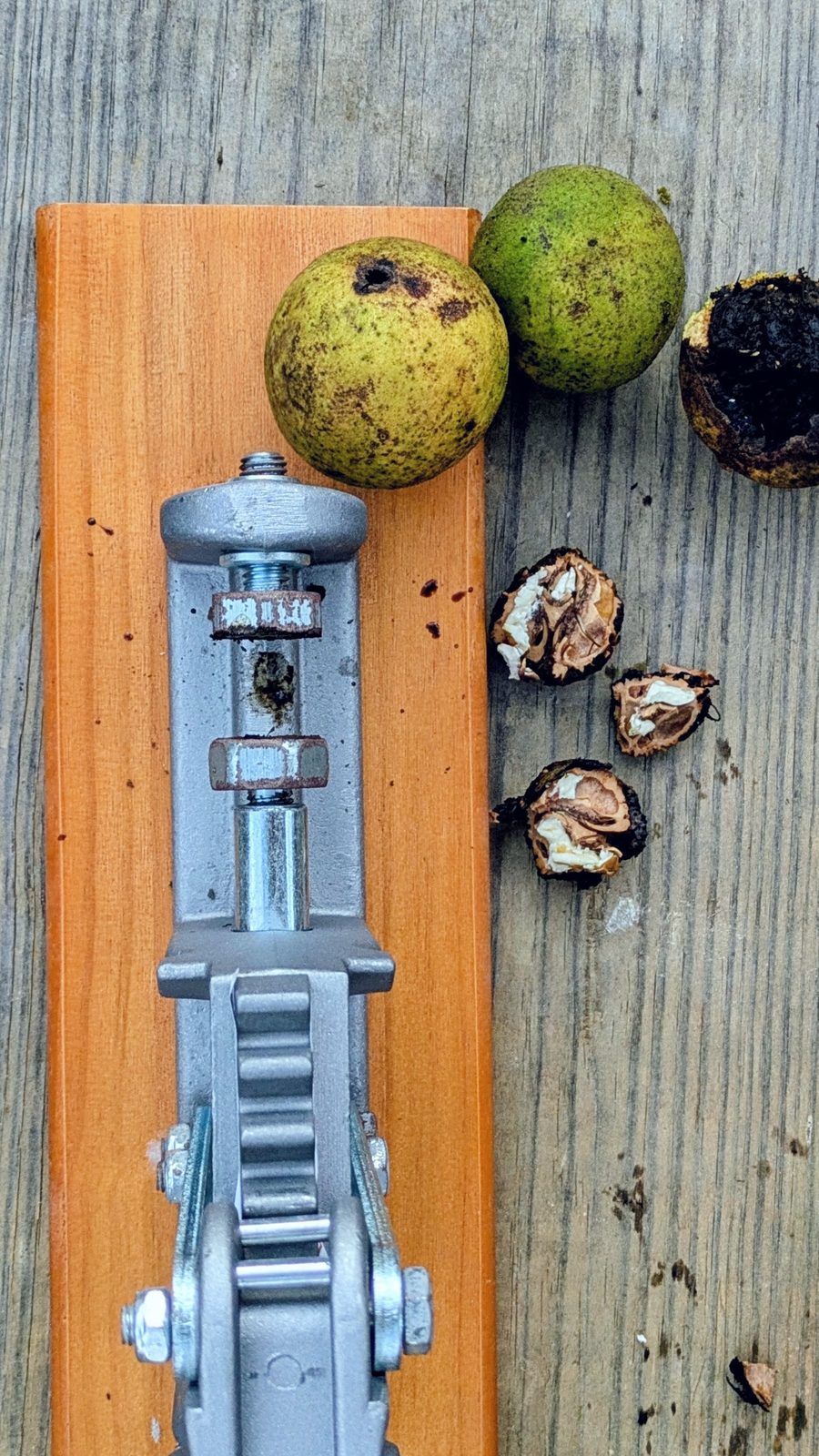
Black walnuts are nature's version of Fort Knox. You've tried the sledgehammer, the vise, maybe even backed your truck over them. The easy way is a lever-style black walnut cracker: set the nut between the cracking heads, pull the lever, and the shell splits without smashing the meat.
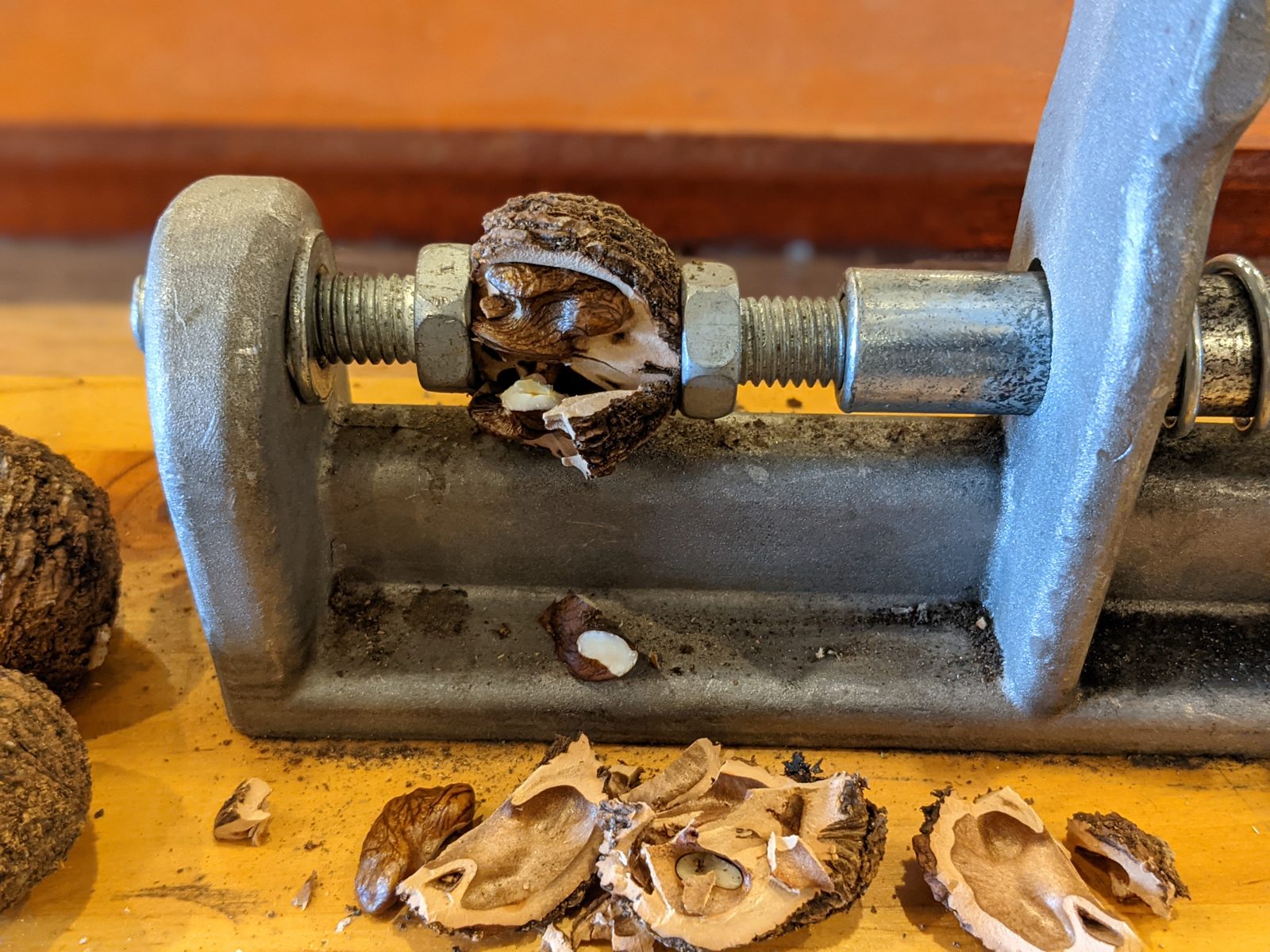
See the labeled parts diagram on the Black Walnut Cracker page.
Old-timer's tip: soaking dried nuts in hot water for a few hours softens the shell slightly and helps the nutmeat come out in bigger pieces. Pick it out with a Pecan Peeler.
Black Walnut vs. English Walnut
English walnuts (the ones at the grocery store) have thin shells you can crack by hand and a mild, buttery flavor. Black walnuts have much thicker, harder shells and a bold, earthy flavor that bakers love in cakes, cookies and ice cream. The shell is the trade-off: a hand nutcracker that handles English walnuts won't touch a black walnut.
Black Walnut Dye
Don't throw out those husks. The same stain that gets on your hands makes a rich brown natural dye for fabric, yarn and wood. About 10 to 20 walnut husks simmered in a gallon of water makes a strong dye bath.
Harvesting Hickory Nuts
Hickory nuts fall around the same time as black walnuts. Their husks split open on their own, so gather them, let them dry a couple of weeks, and crack them the same way. The Black Walnut Cracker handles hickory nuts too.
How to Harvest Pecans
Pecans drop in late fall as their husks split. Rake or roll them up with a Pecan Picker Upper, let them cure for two weeks, then crack with a Pecan Nut Cracker or Texan Nut Sheller.

